
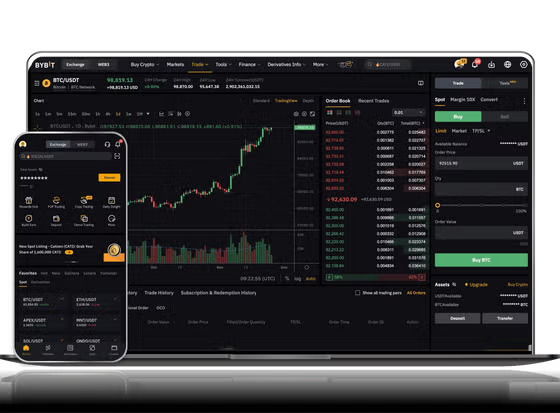

USDC vs USDT: Which Stablecoin is Better for Your Crypto Portfolio?

In the dynamic world of cryptocurrency, stability is a rare commodity. This is where stablecoins like USDC and USDT come into play, acting as crucial bridges between volatile digital assets and traditional fiat currency. For investors and traders, understanding the key differences between USD Coin (USDC) and Tether (USDT) is essential for making informed decisions. While both are pegged to the US dollar, their underlying structures, transparency, and regulatory standing vary significantly, influencing risk and utility.
Tether (USDT), launched in 2014, is the oldest and most widely adopted stablecoin. Its primary advantage lies in its massive liquidity and integration across virtually every major cryptocurrency exchange. This deep market penetration makes USDT the go-to choice for trading pairs and quick settlements. However, USDT has faced ongoing scrutiny regarding the full transparency of its dollar reserves. Although the company behind Tether publishes regular attestations, the lack of a full, real-time audit has been a point of concern for some users seeking absolute certainty about its 1:1 backing.
In contrast, USD Coin (USDC) was launched in 2018 by the Centre consortium, founded by Circle and Coinbase. USDC has positioned itself on the pillars of regulatory compliance and transparency. Its reserves are held in highly liquid assets like cash and short-term U.S. Treasury bonds, and these holdings are verified through monthly attestations from a major independent accounting firm. This commitment to verifiable backing has made USDC a preferred stablecoin for institutional investors and users who prioritize regulatory clarity and asset security.
When choosing between USDC and USDT, the decision often boils down to a trade-off between reach and reassurance. If your priority is maximum liquidity, especially for trading altcoins or on decentralized finance (DeFi) platforms with extensive USDT pairs, then Tether's network effect is powerful. Conversely, if you are holding significant sums, engaging in regulated activities, or simply value proven reserve backing, USDC's transparent model offers greater peace of mind. The evolving regulatory landscape also favors stablecoins with robust compliance frameworks, potentially giving USDC a long-term advantage.
Ultimately, both USDC and USDT serve vital functions in the crypto ecosystem. A savvy strategy might involve using both: leveraging USDT for its unparalleled trading liquidity while storing value in USDC for its demonstrated stability and transparency. As the market matures, the emphasis on verified reserves and regulatory cooperation will likely intensify, making the choice between these two leading stablecoins a critical component of any sound digital asset management plan.


发表评论